Category Archives: Film

The Horror! The Horror! – Part II

Since posting Part I of this blog, I’ve realised that I omitted Comedy-Horror as a sub-genre from the list I gave in the genre outline. As far as I can tell, movies of this type go back as far as the 1940s, when Abbott and Costello appeared in their ‘meet ….‘ series – which included Dracula, Frankenstein and The Wolfman. The tradition continued in the 60s with Carry On Screaming and more recently with Shaun of the Dead and Zombieland. None of these is included in Part II but my first movie has been described by some reviewers as Comedy-Horror.
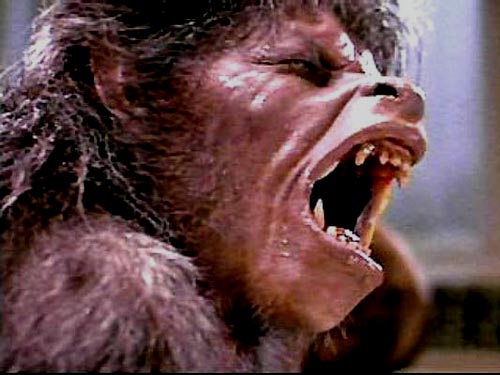
An American Werewolf in London (1981) – directed by John Landis, stars David Naughton and Jenny Agutter. The movie is, justly, renowned for Rick Baker’s make up that achieves the transformation from human to werewolf. The prosthetics and robotics were indeed groundbreaking and earned the Oscar for make-up that year.

But the film is genuinely frightening, especially in Naughton’s bizarre dream sequences and his reaction to them. The viewer is sympathetic to his truly horrific plight and the hopelessness of it. A modern classic.
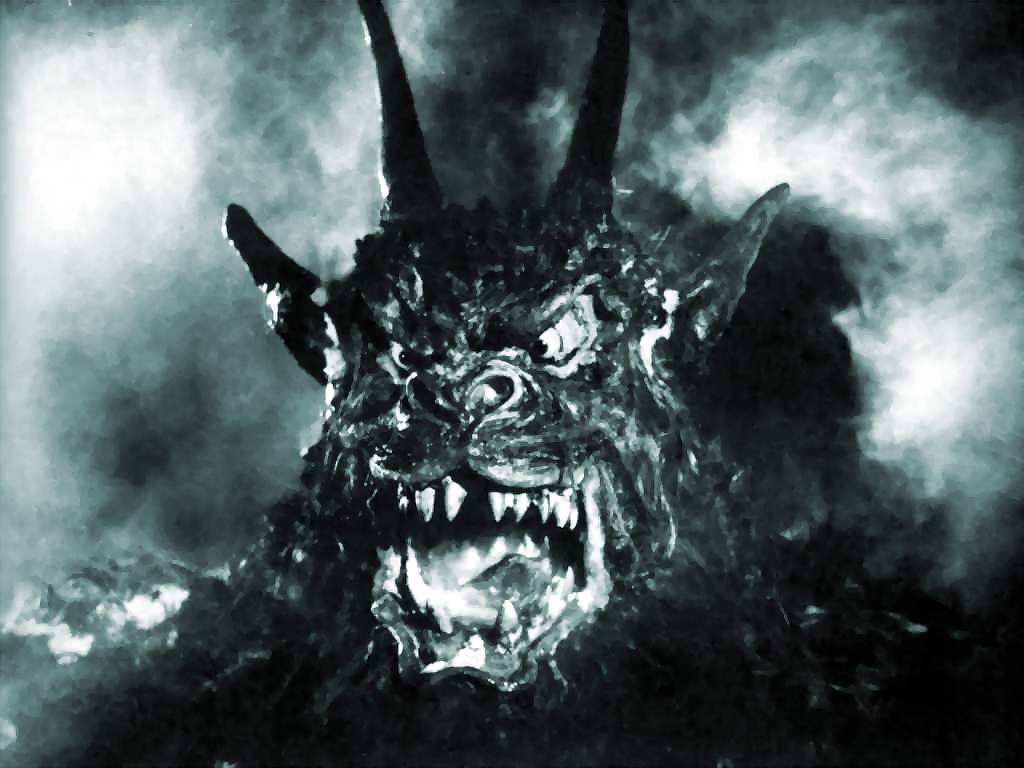
Night of the Demon (1957) is director Jacques Tourneur’s account of the M R James story, ‘Casting the Runes’. It stars Dana Andrews (best known as the obsessive detective in ‘Laura‘) and Niall MacGinnis.

Tourneur was expert at creating taut, atmospheric films that hinted at impending menace. Here, the rationalist Holden (Andrews) is sceptical about Karswell’s (MacGinnis) druidical powers. But the audience already knows what Karswell is capable of – and we fear for Holden. The playing of both actors is perfectly pitched to carry the story to its chilling conclusion.

Trivia gatherers may like to know that a clip of dialogue from this film was used by Kate Bush in the introduction to ‘Hounds of Love’. A nice gothic connection.
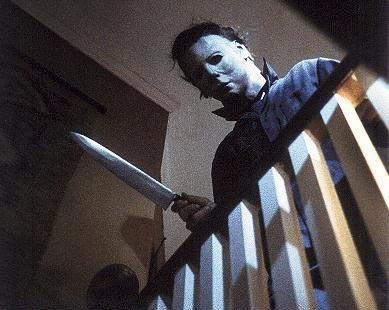
Halloween (1978)  John Carpenter’s genre-defining slasher movie was independently made on a $320,000 budget and grossed $70 million, worldwide. I do believe that its debt to Psycho is plain to see – but this film proved hugely influential in spawning a host of (lesser) imitators and genre clichés.

What’s interesting about the movie is that it contains very little graphic violence or gore. Yet it managed to shock and thrill audiences in the most compelling way. I will certainly bear testament to that and admit to nearly falling off my seat on several occasions at Wellington’s Lido Cinema, such was the tension created by the skillful editing. One of the greats.
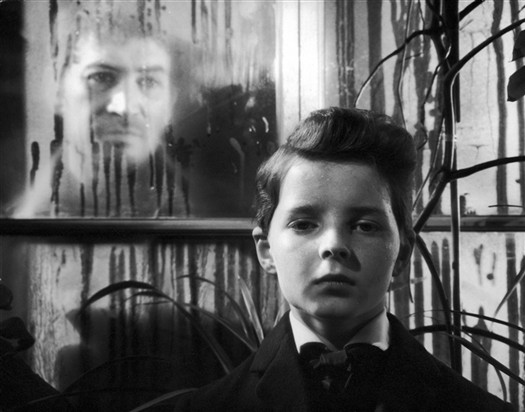
The Innocents (1961) is director Jack Clayton’s adaptation of the Henry James novella, The Turn of the Screw. Deborah Kerr is Miss Giddens, the governess to brother and sister, Miles and Flora, who are orphaned and in the care of their absentee uncle (Michael Redgrave) at his country estate.

Giddens learns that her predecessor, Miss Jessel, had committed suicide following the death of her lover, Quint, who had been employed as a valet on the estate. Quint, now dead, had a hold over both Miss Jessel and the boy Miles, Giddens learns – and she believes that he still exerts a malignant influence over the house and its occupants. Using lighting, deep focus camerawork and precise editing, Clayton creates  an insidious, sinister atmosphere that only ever suggests – but never tells. The Innocents is a masterful, psychological thriller that clings to you like moorland mist.
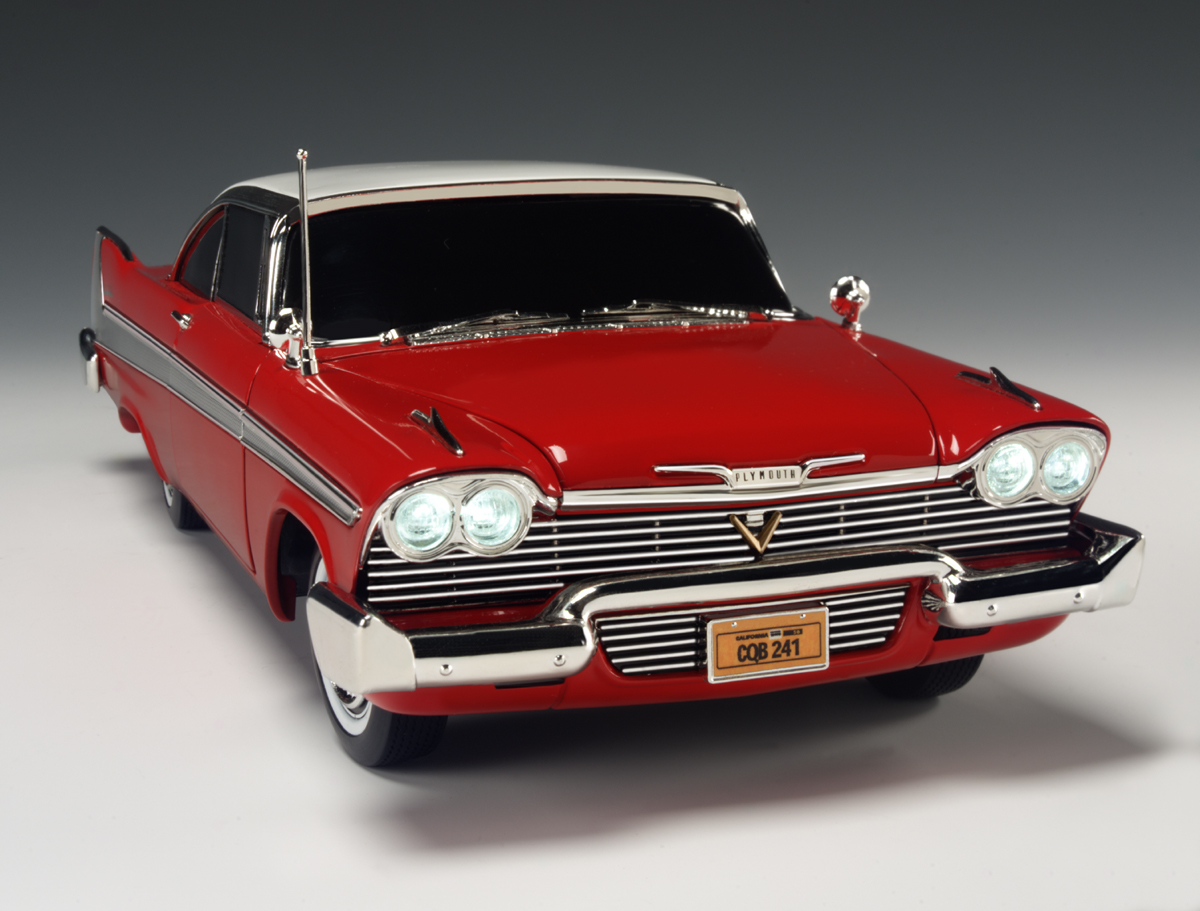
Christine (1983) is the mother of all ‘bad influence’ movies. Except it’s a Plymouth Fury, ‘Christine’, that’s the bad influence. John Carpenter does Stephen King’s novel proud and has made a movie that is a true, timeless classic.

When nerdy teen Arnie Cunningham (Keith Gordon) buys the run-down Christine with a view to restoring her, she lets him know how grateful she is by playing Johnny Ace’s ‘Pledging My Love’ on the radio for him. From that moment on, we know that this is undying love and that no one had better come between Arnie and Christine. Of course, they do – and the results are memorable.
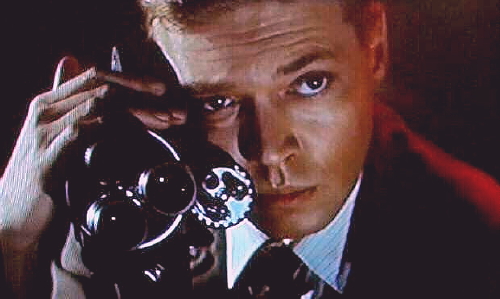
Peeping Tom (1960) I should say straightaway that not only do I believe Michael Powell’s film to be the greatest Horror Film ever made, but that it must be accorded the status of one of the 20 most important films in the history of cinema. I cannot do justice to its complexities and influence here, except to say that the great Martin Scorcese considers that this film ‘says everything that can be said about film-making….’

When you watch this film, you may like to consider the idea that the film , itself, reflects your act of watching – that cinema audiences are voyeurs. As mentioned in Part I, Kathryn Bigelow also explores this idea in ‘Strange Days’ to stunning effect. Powell was virtually hounded out of the industry when this film was first released. Fortunately both he and the film have been reassessed by critics and movie-goers and Peeping Tom now stands as a masterpiece of cinema.
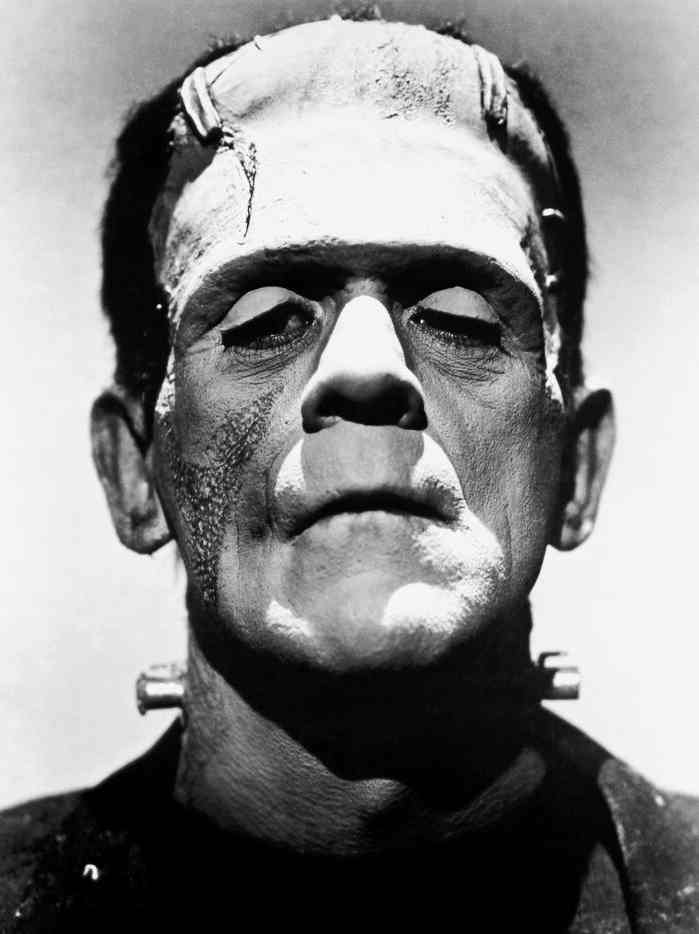
Well, that’s the dozen. If you haven’t seen them, track them down and give them a go. Probably not a great idea to watch them by yourself though.
The Horror! The Horror! – Part 1

I was asked by some readers to write about favourite horror films –  so here goes; Just what is a horror film is difficult to define as there are several sub-genres I was able to identify: The Undead – vampires, werewolves, mummies laboratory made monsters and zombies; Post-Apocalypse – nuclear wasteland, mutants; Supernatural – the Devil, ghosts and spirits, possession; Sci-fi – aliens, creatures and doomsday; Slasher – teen murders, revenge and psychopaths; Psychological – inner demons, the unexplained and metaphysics. There are also the franchises, such as Hammer, Roger Corman, Dario Argento and so on – and these often contain several elements of these sub-genres.

There are probably other examples, but these will do for now. The point is that one woman’s horror movie may well be another man’s comedy – Nicholas Cage’s Vampire’s Kiss,  for example, could be either – or both. So, here’s the first batch of sphinctre-expanding shockers.

Seconds (1966) is director John Frankenheimer’s take on David Ely’s novel of identity crisis. A shadowy organisation known only as ‘The Company’ arranges for the bored and wealthy not only to assume new identities – but new bodies and minds.

Tony Wilson (Rock Hudson) is the product of one such exchange – and what happens to him when he wants out is a salutary and horrifying commentary on materialism and the quest for eternal beauty. The film provided Hudson with an opportunity to use his screen idol image to savage effect. An opportunity that produced, I believe, the performance of his career.

Near Dark (1987) is my favourite vampire movie. Director, Kathryn Bigelow  has taken the traditional genre and fused it with elements of the Western and Road movie genres to achieve a gripping and satisfying account of terror and mayhem in the mid-west of America. The film stars Adrian Pasdar, Jenny Wright –  and Lance Henricksen as the head of the nomadic vampire family. (Interestingly, Bigelow went on to direct Strange Days (1995) which gives more than a nod in the direction of Peeping Tom – of which, more later)

Repulsion (1965) is Roman Polanski’s first English language film and stars the extraordinary Catherine Deneuve as Carol, a manicurist, living in west London with her sister, Helen (Yvonne Furneaux).

When Helen takes a holiday with her boyfriend, Carol is left alone in the flat and , already deeply neurotic, her anxieties and inner demons, now unchecked,  rapidly plunge her into a living nightmare of hallucinations and paranoia. Repulsion is a truly unsettling film whose menace will sit on your shoulder for many hours after the final frame has flickered into nothing.

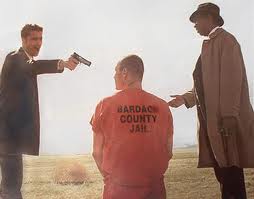
Se7en (1995) is undoubtedly a horror film. Following a serial murderer whose theme is the seven deadly sins, the audience is left to surmise about how each murder is achieved, rather than why. The ceaseless rain and urban decay that provide the backdrop for Detectives Mills (Brad Pitt) and Somerset (Morgan Freeman) to hunt down the killer, create a similar atmosphere to Blade Runner. But director David Fincher is not about to let any light into Se7en’s world and that refusal is the film’s triumph. There are no easy outs and all that remains is the horror.

Psycho (1960 Alfred Hitchcock)

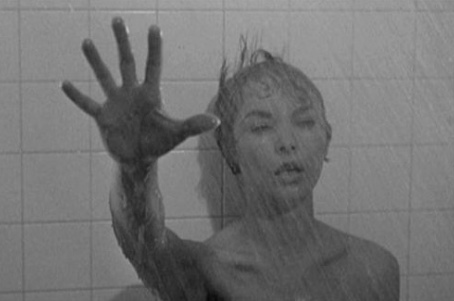
One of the most famous films in the history of cinema and the most frightening film I’ve ever seen. To put that into context, I was 14 when it turned up at the Ritz, Stockwell in Southwest London. I ‘bunked in’ to see it at a mid-week afternoon session when I should have been at school. I say ‘bunked in’, first because it was an X-rated film (16 and over) and second, because I was broke.

Even though I fancied myself as the toughest kid on the block, the truth is the combination of the shower scene and the cellar scene – Tony Perkins in drag, a skyline knife and those bloody violins screeching like demented harpies – served to give me nightmares for weeks. I was well into my 30s before I was game to assay the film again. (There is a pointless 1998 frame-for-frame remake which I do not recommend, unless you’re a completist)

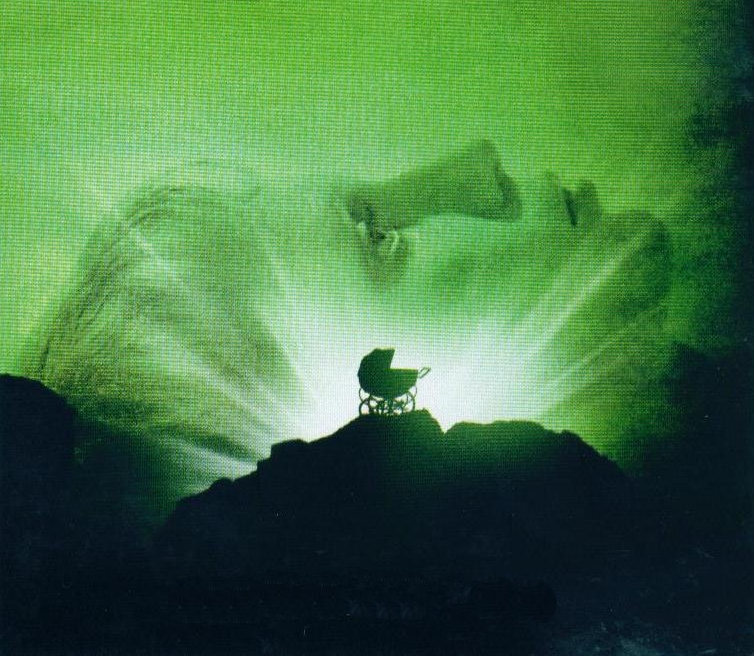
Rosemary’s Baby (1968)

Roman Polanski’s second entry on this page is based on Ira Levin’s novel and stars Mia Farrow and John Cassavetes as Rosemary and Guy Woodhouse. Rosemary becomes pregnant as actor husband, Guy, finds sudden success which is somehow tied to eccentric neighbours Roman and Minnie Castavet (Sidney Blackmer –  and Ruth Gordon in a small miracle of a performance) Rosemary soon suspects that they are Satanists and have designs on her unborn child.

The central performances give the film its strength and allow the viewer to buy the contract. Farrow is achingly vulnerable whilst fighting for her sanity in an insane situation. Cassavetes is all smiling, venal assurances as he honours his pact and is cuckolded by the horned one. The film also sports a brilliant score by Polish jazz pianist Krzystzof Komeda and you also get to see Ms Farrow’s famous Vidal Sasoon hairdo.

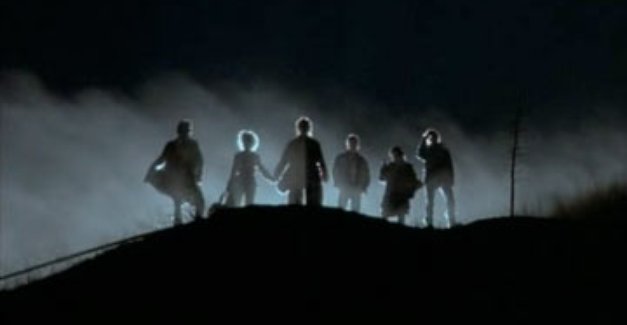
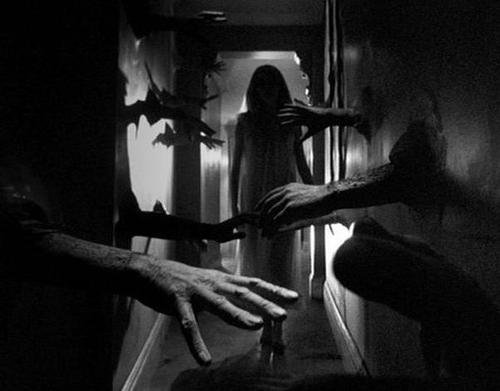
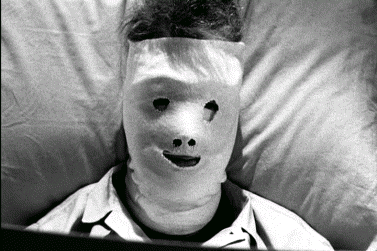
Well, that’s it for now. I’ll return with another six movies very soon. In the meantime, you might try and identify the movie that the still above comes from.

The Dirty Dozen – Part Deux

Okay. Now for the remaining half-dozen movies that lend themselves to Sunday afternoon viewing, curled up on the sofa with the one you love –  before you go home;

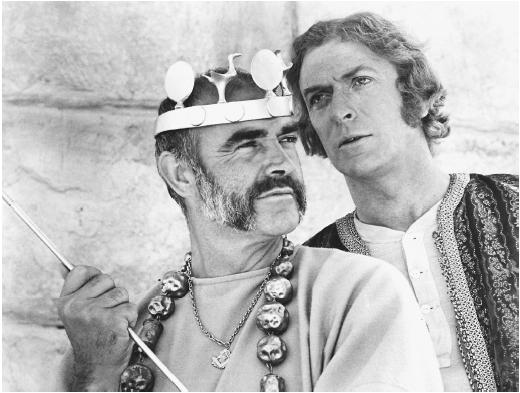
The Man Who Would Be King

Legend has it that director, John Huston, had Kipling’s story in mind for a film treatment for many years before finally fulfilling his wish in 1975. His original pairing was Gable and Bogart; then Lancaster and Douglas; then Redford and Newman –  before settling on Sean Connery and Michael Caine.

Whatever the delays in coming to the screen, the movie proved to be extremely popular with audiences once it did –  and ensured Huston’s return to the director’s A-List. Connery and Caine are two former, somewhat roguish, British Army officers in late-Victorian India who set off in search of adventure and fortune in Kafiristan. Huston’s approach, too, is roguish and there is scant regard for political correctness in the portrayal of colonialist attitudes. Great fun and Connery’s favourite role!

Planes, Trains & Automobiles

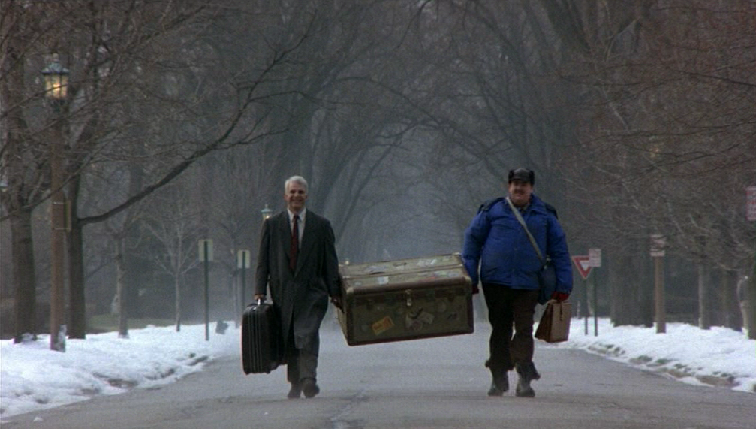
I think that this odd couple movie is the high point in the careers of director John Hughes and stars, Steve Martin and John Candy. Hughes brings us not just a road movie, a buddy movie or a family movie – but a poignant, comedic synthesis of several tones that enables Martin and Candy to deliver well-rounded characters and robust performances. These elements, I should add, serve to strongly mitigate the obligatory schmaltzy final scenes – although an earlier, now legendary, airport scene with Martin dropping the f-bomb 18 times in a minute – has probably already allowed us to gladly pardon the ending.

Mona Lisa

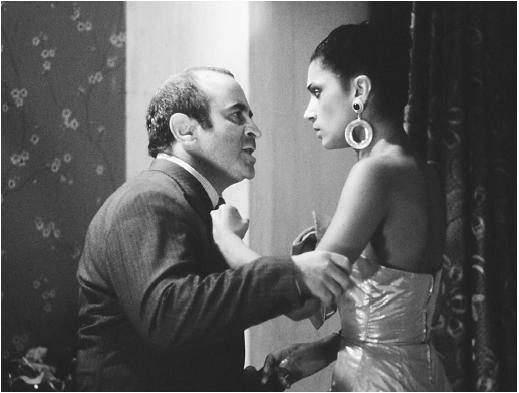
Neil Jordan’s tale of a none-too-bright petty criminal and his relationship with a high-class prostitute that he minds, oozes seedy assignations and dubious pleasures. Bob Hoskins and Cathy Tyson play the oddest of odd couples, each trying to retain some vestige of honour in a broken, venal world.

The revelation, though, is Michael Caine’s Denny Mortwell, a gangland boss who has long since abandoned any contact with honour or decency. Caine is utterly convincing in his role and,  as the narrative unfolds, reveals the full extent of his corrupt and corrupting occupation. A dark, but satisfying, movie.

Being There

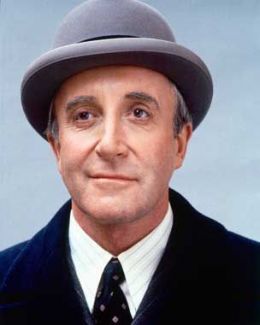
Evidently, Peter Sellers tried to obtain the rights to Jerzy Kosinski’s novel of the same name and pestered director Hal Ashby to make the movie with him in it. His persistence paid off and Sellers delivers what many, including me, believe to be his finest screen performance.

Chance the gardener (Sellers) is an innocent abroad. A simple being, bereft of any of the layers or devices that we have accumulated, historically, to survive. His knowledge of the world is limited only to what he knows of tending a garden and watching television. But the world he encounters, when his benefactor dies, is so jaded, so weighed down with artifice and egoism, that his naivety is mistaken for profound wisdom and his words for illuminating prophecy. The final scene, I believe, stands as one of the great moments in cinema.

Cross of Iron

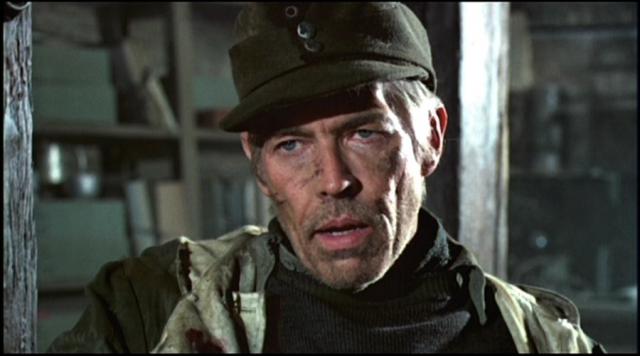
There is a knowingness at the heart of James Coburn’s portrayal of embittered sergeant, Rolf Steiner. Steiner is the universal soldier, wartime’s everyman –  as he leads his men against the irresistible advance of the Red Army as they push the German occupiers out of the Caucasus in late 1943.

The arrival of a new battalion commander, Captain Stransky (Maximilian Schell), a Prussian aristocrat in search of glory and the famed Iron Cross, allows director Sam Peckinpah the opportunity to examine the mores of war and juxtaposition them against traditional peacetime values as the screen crackles with the tension generated by his two fine leads. The film contains Peckinpah’s trademark violent action but the Brechtian narrative allows the viewer a certain, cool distance to engage the mind as well as the heart as the story reaches its acrid, ironic conclusion.

Sexy Beast

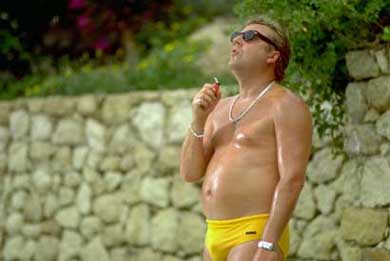
First time director Jonathan Glazer has created two of the most evil criminals in the history of the genre. Gangster, Don Logan (Ben Kingsley) has been sent to Spain by crime lord, Teddy Bass (Ian McShane) to recruit retired safe-cracker Gary Dove (Ray Winstone) for a bank job in London. As Gary tries to appease both men whilst holding on to his relationships and enviable life style, the true, vile nature of the underworld is revealed, both literally and figuratively.(Viewers might light like to identify the film’s links to Harvey and Donny Darko)

The Dirty Dozen – Part 1

Now that winter has its icy fingers clasped firmly around your neck, I thought it may be as well to sort out a dozen movies, any one of which might provide an enjoyable way to spend a bleak Sunday afternoon.

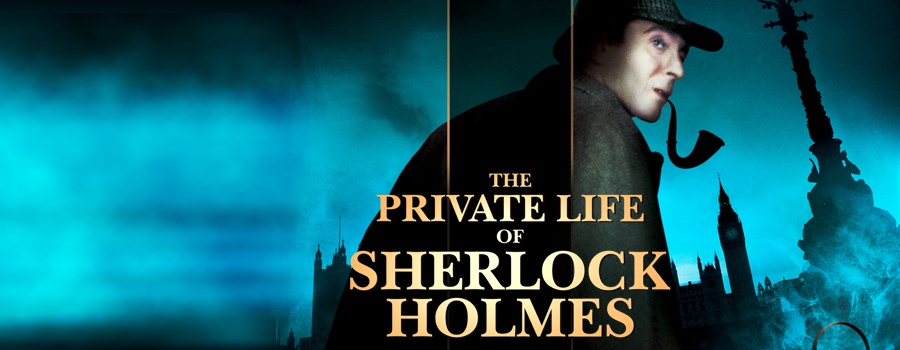
The Private Life of Sherlock Holmes

Billy Wilder’s affectionate take on the real detective behind the legend. Robert Stephens as Holmes and Colin Blakely as Watson tackle a WWI espionage plot that involves The Loch Ness Monster, circus midgets, spys and Queen Victoria. A curious sub-plot has a Russian ballerina wanting to engage Holmes as the potential father of  their wunderkind child.

My favourite Sherlock movie, beautifully shot with Wilder’s skillful cast perfectly reflecting his playful but fond attitude towards his material.

Master and Commander: The Far Side of the World

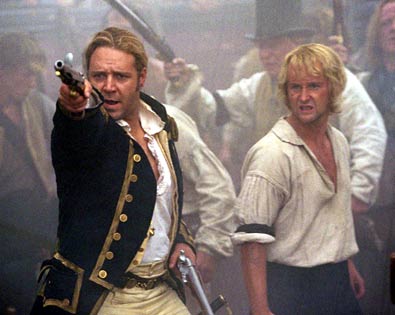
Based on 3 novels by Patrick O’Brian and set during the Napoleonic Wars,(moved back to 1805 from the novels’ 1813 Anglo-American War setting, so as not to upset US audiences) Capt Jack Aubrey (Russell Crowe) and Dr Stephen Maturin (Paul Bettany) aboard the Surprise pursue the French warship Acheron.

Director, Peter Weir, has an eye for period detail and directs the action with a sure hand. Nominated for 10 Oscars, the movie won 2 only – the execrable Lord of the Rings sweeping the board that year. Nevertheless, a fine, exciting movie that, for me, was top of the class that year.(2003)

Monkey Business (1952)

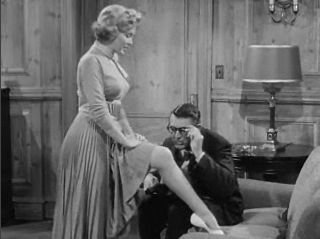
Howard Hawks’ screwball comedy stars Cary Grant, Ginger Rogers and Marilyn Monroe and revolves around an elixir of youth finding its way into an office water cooler. The impeccable cast delivers the one-liners and mugging with gusto and the movie contains possibly the single funniest scene in the history of cinema –  Grant, having regressed to childhood and dressed as an Indian chief, leads the local kids in the kidnapping of his ‘adult’ rival (Hugh Marlowe) who they tie to a tree and…. well, watch the movie.

Vertigo

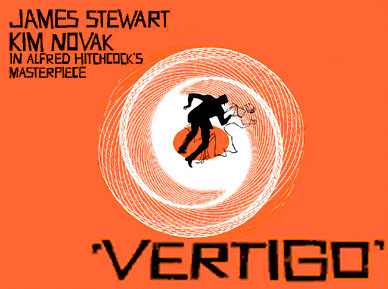
Hitchcock’s classic tale of obsession, set in San Francisco and starring James Stewart and Kim Novak –  Vertigo is an intense experience that quickly draws the viewer into its neurotic world. Fine performances by Stewart and Novak assisted by Bernard Hermann’s haunting score contribute to this enduring masterpiece.(Love Theme from Vertigo was used in last year’s The Artist)

La Reine Margot

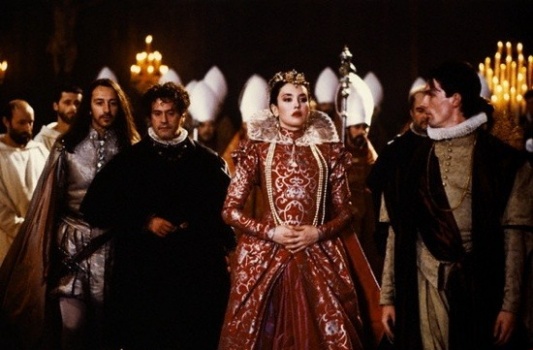
Set in late 16th century France against the backdrop of religious conflict and the St Bartholomew’s Day massacre, director Patrice Chereau provides a densely textured account of intrigue, ambition and passion in a violent time. The seemingly ageless Isabelle Adjani portrays Margot, a political pawn put into play by her Medici mother (Virna Lisi) to shore up the Catholic hold on a France where the Protestant Huguenots assert a growing influence.

Based on the novel by Alexandre Dumas père, the sumptuous set design and visceral narrative provide the viewer with a darkly entertaining movie that clings to the memory long after it has finished.

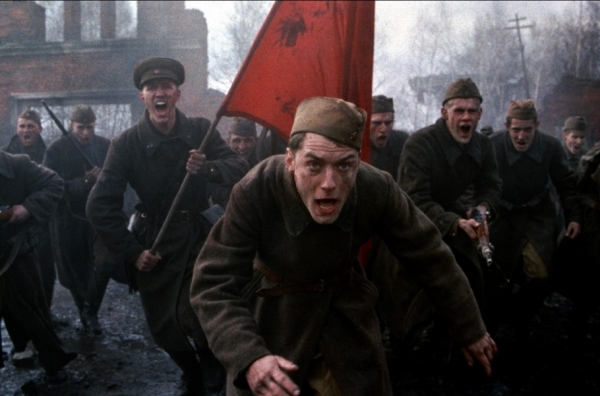
Enemy at the Gates

Set during WWII’s Battle of Stalingrad, snipers from the opposing Russian and German armies (Jude Law and Ed Harris) fight a duel to the death that resonates on personal, class, ideological and national levels.

The film was criticised, when released, by army veterans in both Russia and Germany for its inaccuracies and some film critics also disliked the introduction of a love interest in the Russian camp (Rachel Weisz). I beg to differ though and for me, the story succeeds because the action is portrayed closely, intimately. The lethal chess game played by the principals is gut-wrenchingly tense, their need for feral companionship all too credible. Compelling viewing.

A Note from the Author; Part Deux will follow shortly.

Dirty Harry – ‘Harry Brown’ A Review

I saw this movie more than a year ago, when it was first released. I had some particular thoughts about it then and I find that it’s still on my mind. I think that’s because I felt that it was, in some ways, a significant film. Not a film I enjoyed or admired, far from it, but significant nevertheless.

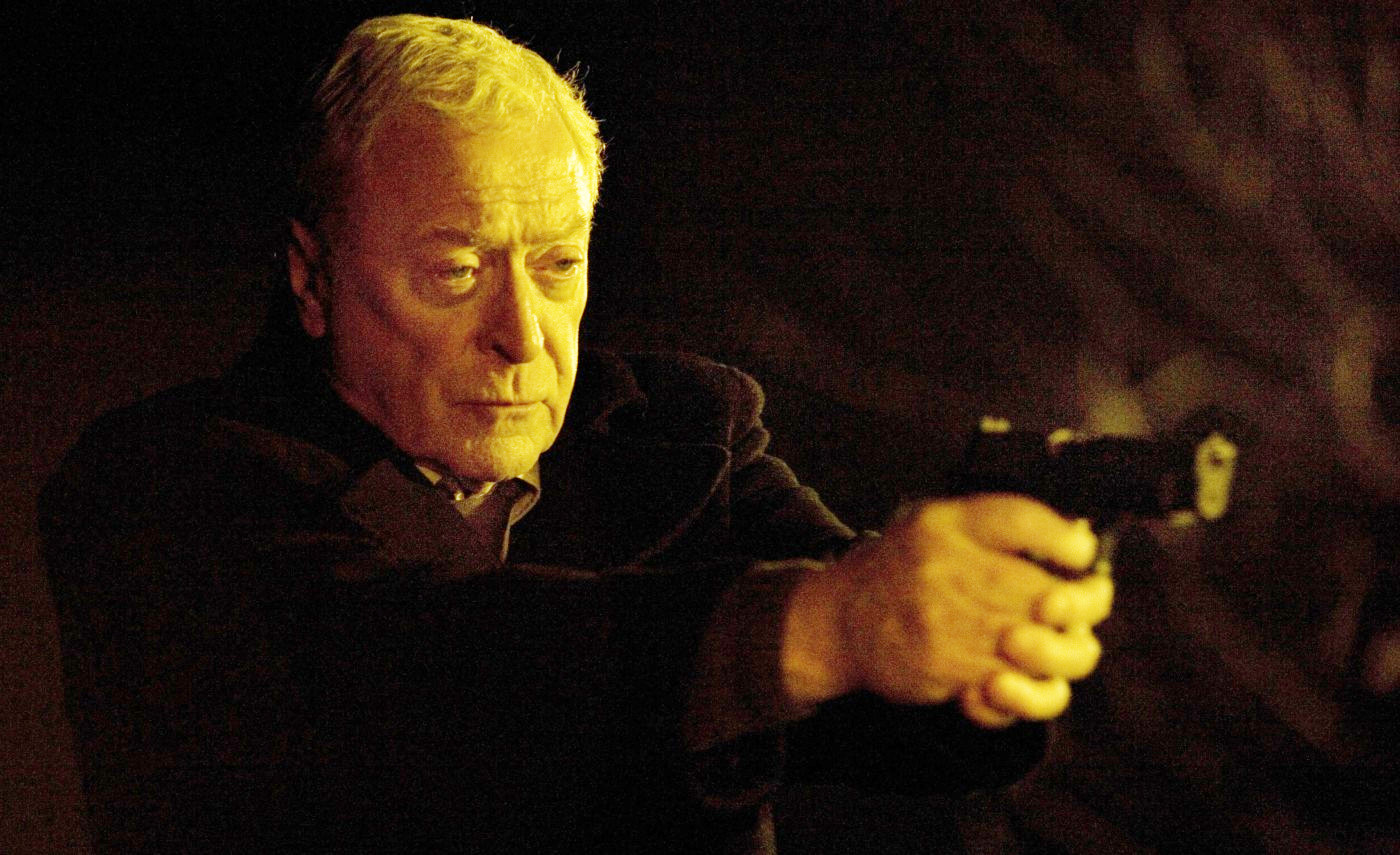
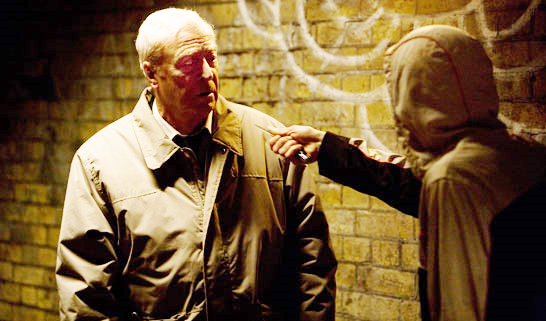
‘Harry Brown’ is director, Daniel Barber’s first feature –  and stars Michael Caine in the title role. The story follows Brown, a Royal Marines veteran, who lives on a South London housing estate where life is constantly made dangerous by youth gangs whose violent behaviour is fuelled by drugs. The film’s opening scene contains a graphic portrayal of a random, apparently motiveless shooting.

Brown leads a largely solitary life, punctuated by visits to his comatose wife in hospital and occasional chess games in the local pub with a friend, Len Attwell (David Bradley). When his wife dies suddenly and Attwell is murdered by the estate gang, Brown decides to take matters into his own hands.

What follows is Brown’s descent into a Dantesque world of urban decay, drugs, violence, betrayal and degradation as he seeks vengeance for his friend’s murder. And as Brown pursues his vigilante justice, he meets a gallery of characters, each more despicable than the last. The police, too, are portrayed as being unsympathetic – as much bound up with their own internal politics as they are dealing with the increasingly volatile situation on the estate.

I’ve read that this film has been compared with Clint Eastwood’s ‘Gran Torino’, which was released a year or so previously. That film is far from Eastwood’s best work but, like most of his own films, it does have a head and a heart and examines the societal base of prejudice, the inner lives of neighbours confronted by violence and in its conclusion, offers redemption through sacrifice. ‘Harry Brown’ does not attempt any of this. It is shallow and manipulative in its attempts to disguise its own reactionary ideological base. Our only responsibility is to punish the irresponsible, it insinuates.. There’s a scene where Brown is discussing with a police officer his army service in Northern Ireland. Brown says,’ Those people were fighting for something. A cause. To them out there , this is just entertainment.‘ What we’re supposed to glean from that, presumably, is that Brown had some sympathy for the people he was killing in Ulster but not for the youths that he’s killing in his neighbourhood. I think that idea is obscene.

And on the subject of obscenity, Barber and scriptwriter Gary Young have clearly seen ‘Sexy Beast’, ‘In Bruges’ and other Brit crime films and noted that it is de rigueur to include a conversation where ‘cunt’ is used repetitively in a conversation. Such an obviously exploitative and derivative choice only goes to further demonstrate the film maker’s intention to appeal to prurient interest.

By the time this film lurched its way to its entirely predictable conclusion, I was heartily sick of it. I had lived on an estate like Brown’s at a time when the problems were similar, where crime was commonplace, shopowners barricaded their windows at night and prospects were bleak. But citizens responded through community initiatives and by accepting responsibility for themselves and their neighbours. It was tough but it was not hopeless. People did not submit to baseness because they felt there was no alternative. They rose above it. And that’s why ‘Harry Brown’ is significant. In advocating despair, unwittingly,  it reminds us of hope.

Capitalism/Cannibalism ‘Margin Call’ – A Review

The film announces its purpose and draws you in with the opening scene. At the offices of a major investment bank, an HR-led purge of trading floor staff is under way. One of the senior managers to be ‘let go’ is Stanley Tucci –  and we follow him as he puts his things into a cardboard box and leaves the office.

As Tucci, still in shock, progresses past the intrigued stares and hushed speculations of his former colleagues, the background noises fade and all we hear is the swish and crunch of his shoes on the carpet. This is personal. It’s about you. It’s about me.

First-time director, J C Chandor, who has also written the fine script, is telling a story about the financial crisis 0f 2008 which to me, at least, strongly parallels what happened at Lehman Brothers in New York at that time. But as the events unfold over a day or so, we get to know the principal characters –  what drives them, what matters to them and, without judgement, how they behave.

Before Tucci leaves, he gives a junior in his department, Zachary Quinto, a USB memory stick which contains data for an unfinished project he had been developing. He tells Quinto to ‘be careful’. Quinto goes to work immediately on the project and quickly discovers that the potential trading debts in mortgage backed securities could exceed the company’s capital value.

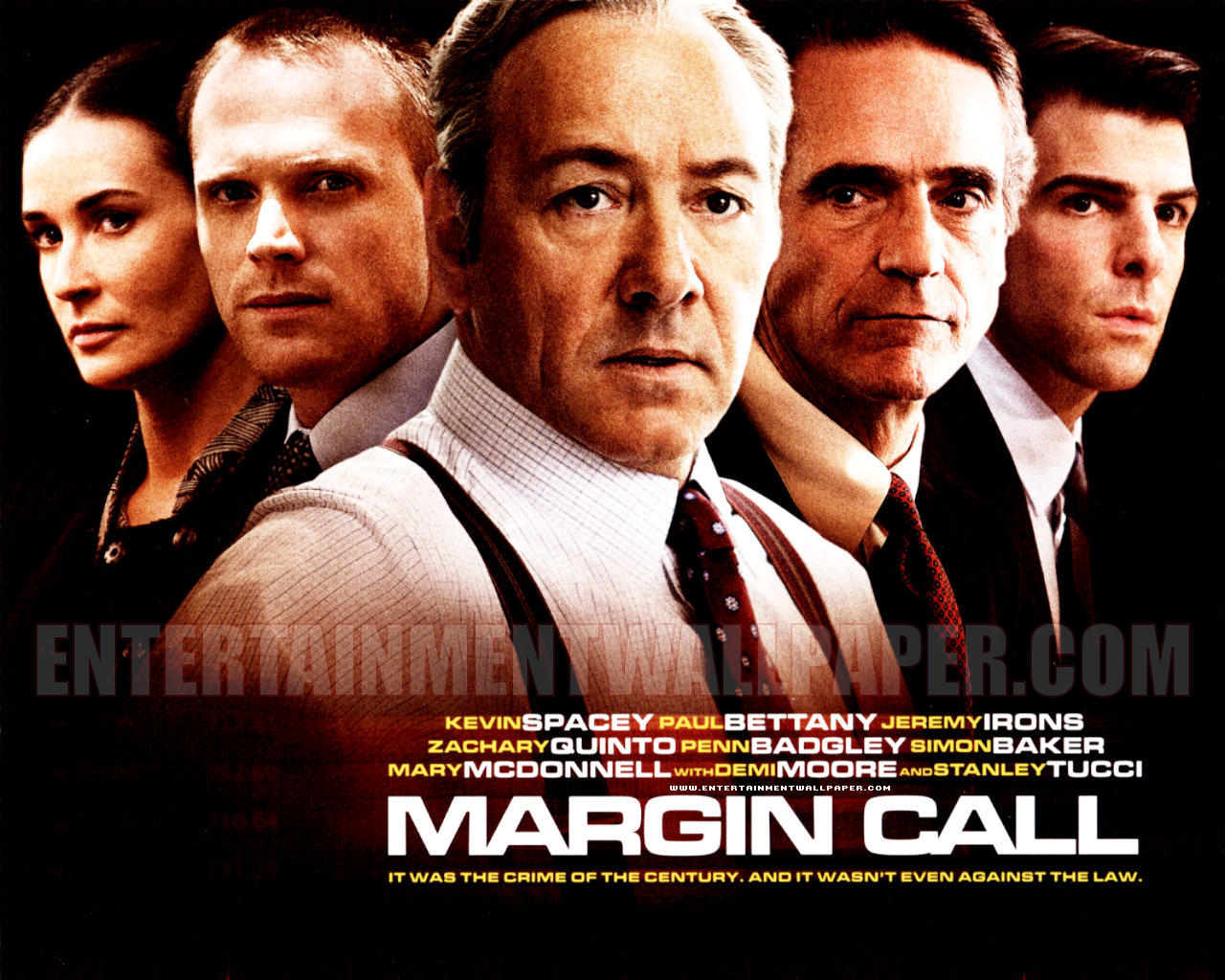
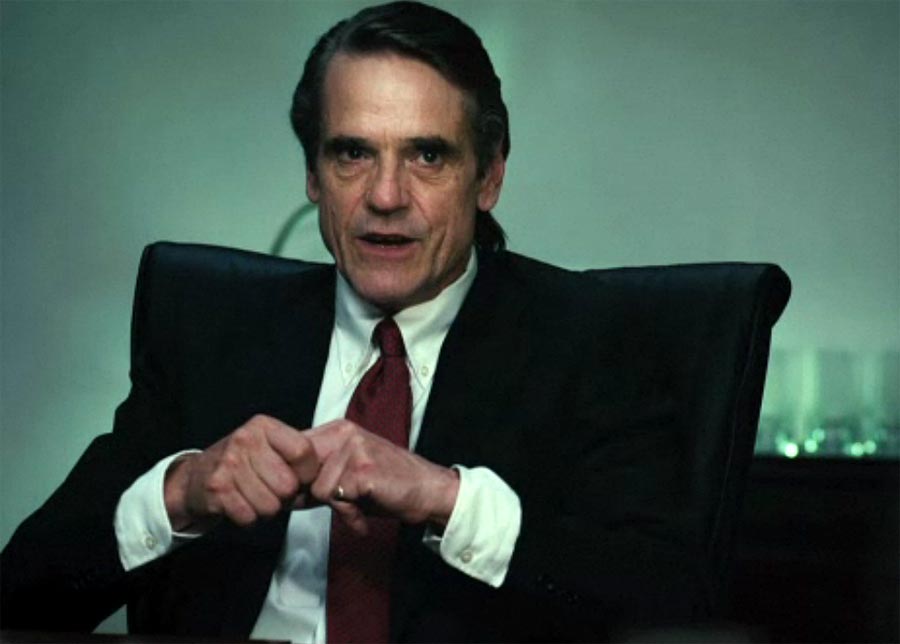
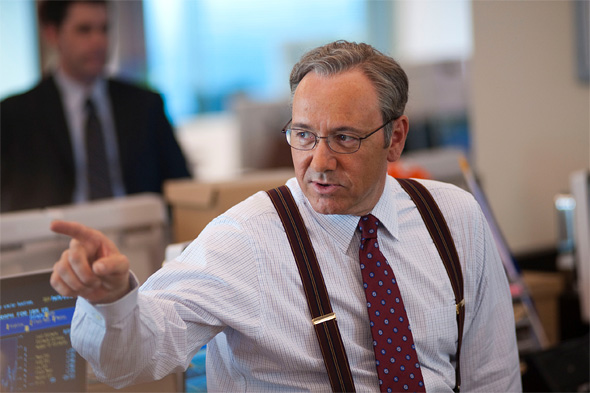
What follows is a series of meetings involving Quinto, Head of Trading,       Kevin Spacey, his protegé, Paul Bettany, Risk Management Head, Demi Moore, Division Head, Simon Baker and CEO, Jeremy Irons. (It’s interesting to note that the Irons character’s name is John Tuld and Lehman’s former CEO was Richard Fuld. Draw your own conclusions)

Spacey is a long-serving company man who has seen this all before. He urges caution as Irons prepares to sell off the worthless assets. ‘Being first out the door isn’t panicking’, he tells Spacey. And as the need for resolution grows more urgent through the night, both of these superb actors strip away the layers to reveal their essential qualities. Irons is a fully evolved predator, urbane but deadly, as Moore and most of the trading floor are persuaded to sacrifice themselves in return for massive bonuses.. Spacey has compassion, mostly for himself, and when called upon to declare his intentions by Irons – who says he can stay on –  agrees to the sackings and fire sale of stock – ‘not because of your pretty speech – but because I need the money.’

What Margin Call achieves in its portrayal of yet another crisis in the financial sector, is the sense of an organically evolved sector credo – a way of thinking that drives through more quotidian, personal considerations such as greed and ambition. These are the tools that serve to ensure the survival of the fittest and the right to trade commodities at any cost. As Irons casually informs Spacey; ‘Money is just a piece of paper with pictures on it’

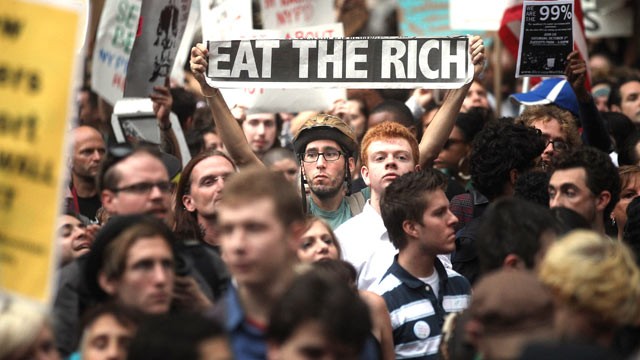
Chandor has made a fine film. He has laid bare the ethos of the Wall Street magnates whose actions gave rise to the financial crisis that put thousands out of work, saw many Americans walk away from their homes and ultimately spawned the Occupy Wall Street movement. That he has done so without being overtly judgemental is a testament not only to his script and direction but also to his excellent cast who lend credibility to their characters and the fiscally violent world that they inhabit.

One or Two Things I know about Henry

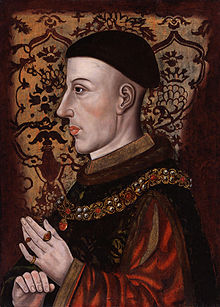
When I was studying Shakespeare’s ‘Henry V’ back in the 60s, I liked to refer to the war-like Harry as ‘Hank the Cinq’. That was partly because I was a smart arse – yeah, nothing’s changed – and partly because I was aware of Henry’s French connection. In fact, this Plantaganet monarch was the first such to write all his formal letters and court documents in English. I think that decision evidences his shrewd and pragmatic nature.

Certainly, as the play unfolds, there’s plenty more evidence to suggest that at least some of his apparently wild youth was spent observing and learning life’s lessons.

Bear in mind that when the play first appeared in 1599, England was beset with many problems: Rebellion in Ireland not being handled well by Essex; Famine across the land with successive failed harvests; A long and costly war still being fought against Spain in the Netherlands and an ageing Queen Elizabeth approaching her final years with no heir. All of the uncertainties around the succession which gave rise to the War of the Roses once more flickered to life – this time fuelled by Catholic urgings to have Elizabeth’s former brother-in-law, Phillip of Spain, assume the English throne. What better time for the newly constructed Globe theatre to present a morale-boosting, blood and thunder account of an all-conquering English king, written by the country’s most popular playwright?

I’ve got two filmed versions of Henry V on DVD and watched them both during the past week. The first was made in 1944 and was directed by its star, Laurence Olivier. The second was made in 1989 and also starred its director, Kenneth Branagh. Both films weigh in at around 140 minutes, both are in colour and both boast an impressive score – by William Walton and Patrick Doyle respectively.

Olivier’s film is heavily stylised and the French are characterised as foppish – almost humorously so, whereas Branagh’s account is grimier, more realistic and the French evoke attitudes of both foreboding and over-confidence. I must say here, that I have never been one of those who worship at Olivier’s altar. I find his film characters are linked by a certain vacuity, an absence which today would be described as ‘not engaged’. Whilst he delivers his lines well enough, both he and his lines do not seem to be bound in any organic way to the events on screen. (Oddly, that other hollow vessel, Peter Sellers, had a great success with a rendition of ‘A Hard Day’s Night’  intoned in the style of Olivier’s Richard III)

Branagh’s Henry is altogether more self-possessed. Confident, calculating and portraying a deep awareness of the political arts, taught to him by his wily father, Henry IV, and embellished around the taverns of Eastcheap whilst in the company of Sir John Falstaff and his street-wise cronies. Indeed, there are aspects of Branagh’s film that fall just shy of portraying the invading force as a bunch of upper-class lager louts with a sense of entitlement, on a day trip to France to see what spoils may be had.

The story is probably familiar to you. Having had his claim to the French throne justified by the Archbishop of Canterbury, Henry and his army sail to France, capture Harfleur, rout the vastly superior French force at Agincourt, forcing the French king, Charles VI, to concede to Henry’s territorial claims as well as marrying off his daughter, Katherine, to Henry.

What’s interesting about the earlier film is what’s left out. In the text, whilst preparing to sail for France, at Southampton, three nobles –  Scroop, Cambridge and Grey – are discovered to be plotting to assassinate Henry. They are arrested and executed. Later, at Harfleur, Henry delivers a blood curdling threat of no quarter to the town’s governor, if he does not surrender. And then, just before Agincourt, Bardolph, one of Henry’s earlier drinking companions, is found looting and summarily hanged. None of these scenes appear in Olivier’s film.

As the film was made in 1944 and generally released the following year when the allies had landed at Normandy and were advancing toward Germany, I imagine that showing English traitors, murderers and looters in a film designed to stir up patriotic feelings was not considered to be a good idea. The film was also partly funded by the Government – so you may draw your own conclusions.

Branagh’s film, on the other hand, includes these scenes and the battle at Agincourt is portrayed graphically. I was struck by the contrast of Branagh’s heroic delivery of the St Crispin’s Day speech and the tragic battle that ensues. No doubt, this was an implied commentary on the futility of war, although a far more direct example is portrayed when the French attack the English baggage train and slaughter the pages left to guard it. This scene appears in both films and much is made of it. Why?

Once the battle appeared to have been won by the English, news came to Henry that the French had sent for reinforcements. Fearing that any prisoners would hinder their ability to repel another French attack, Henry ordered his men to kill all the prisoners. The attack on the baggage train is often used as a mitigating factor to justify Henry’s order.

The battle of Agincourt was fought on 25th October 1415. Less than 7 years later Henry V was dead, from dysentery, whilst once more campaigning in France. Had he lived another 3 weeks, he would have been crowned King of France under the terms of the post-Agincourt treaty. He was 35.

An ironic footnote to the events of October 1415 is to be found in the decision of the Supreme Court of the Amalgamated Kingdom of England and France in 2010 to find Henry’s slaughter of the French prisoners legally unjustified –  and to award unspecified damages to the estates of those prisoners. This was a mock trial featuring eminent jurists and held in Washington DC.